Geopark Research
Exploring the geological history of Sharbazher through scientific research, conservation, and education.
Understanding Our Geological Heritage
Sharbazher District serves as a natural laboratory where millions of years of Earth's history are recorded in rock formations, landforms, and sedimentary sequences. Through systematic geological research, we aim to document these features, understand the processes that shaped them, and contribute to regional and international geoscientific knowledge.
From ancient stratigraphic records to active geomorphological processes, our research focuses on how landscapes evolved, how natural resources formed, and how geological heritage can be conserved for future generations.
Our Research Areas
We focus on multiple geological disciplines to provide a comprehensive understanding of the geopark.
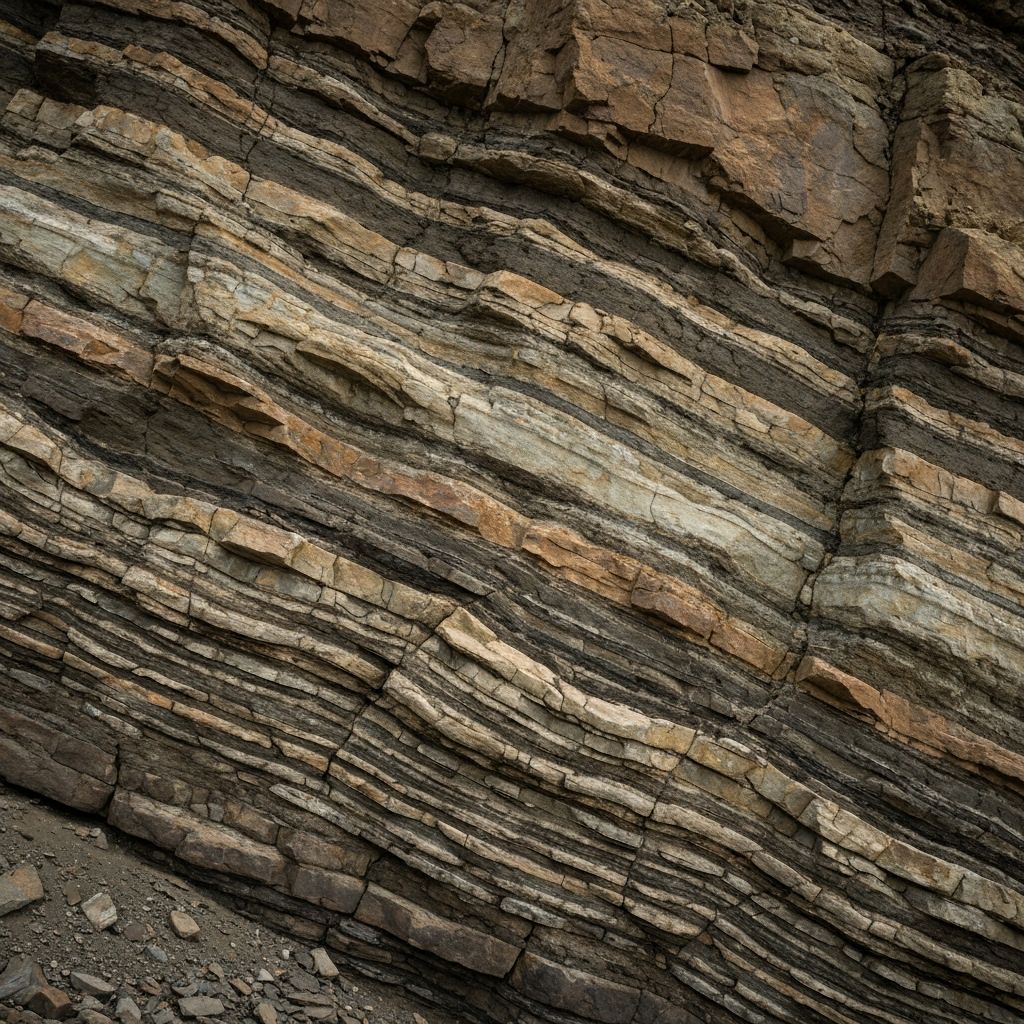
Stratigraphy & Paleoenvironments
Studying rock layers and sedimentary sequences to reconstruct ancient environments, geological time scales, and the evolution of the region through millions of years.
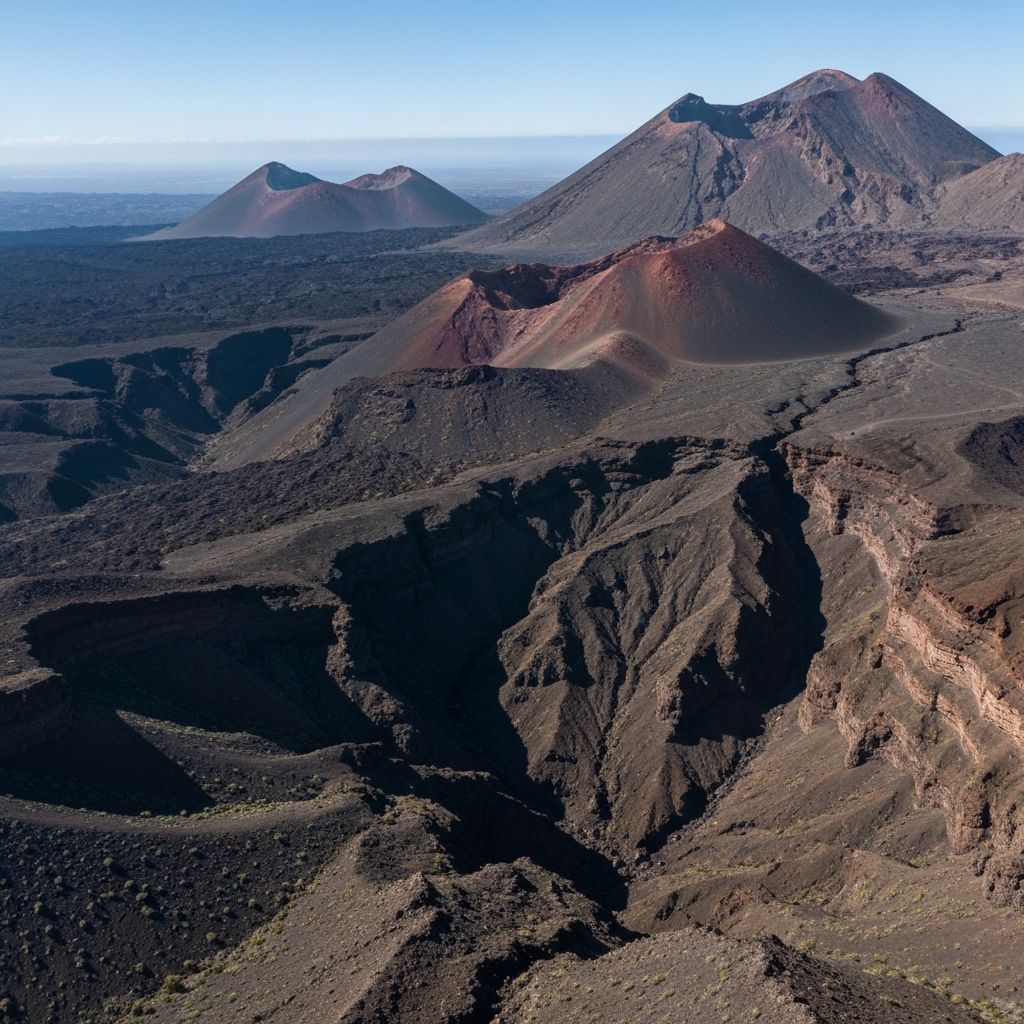
Geomorphology
Analyzing landforms such as mountains, valleys, gorges, and slopes to understand erosion, tectonic activity, and long-term landscape development.
Mineralogy & Petrology
Investigating the composition, structure, and origin of minerals and rocks to better understand geological processes and resource formation.
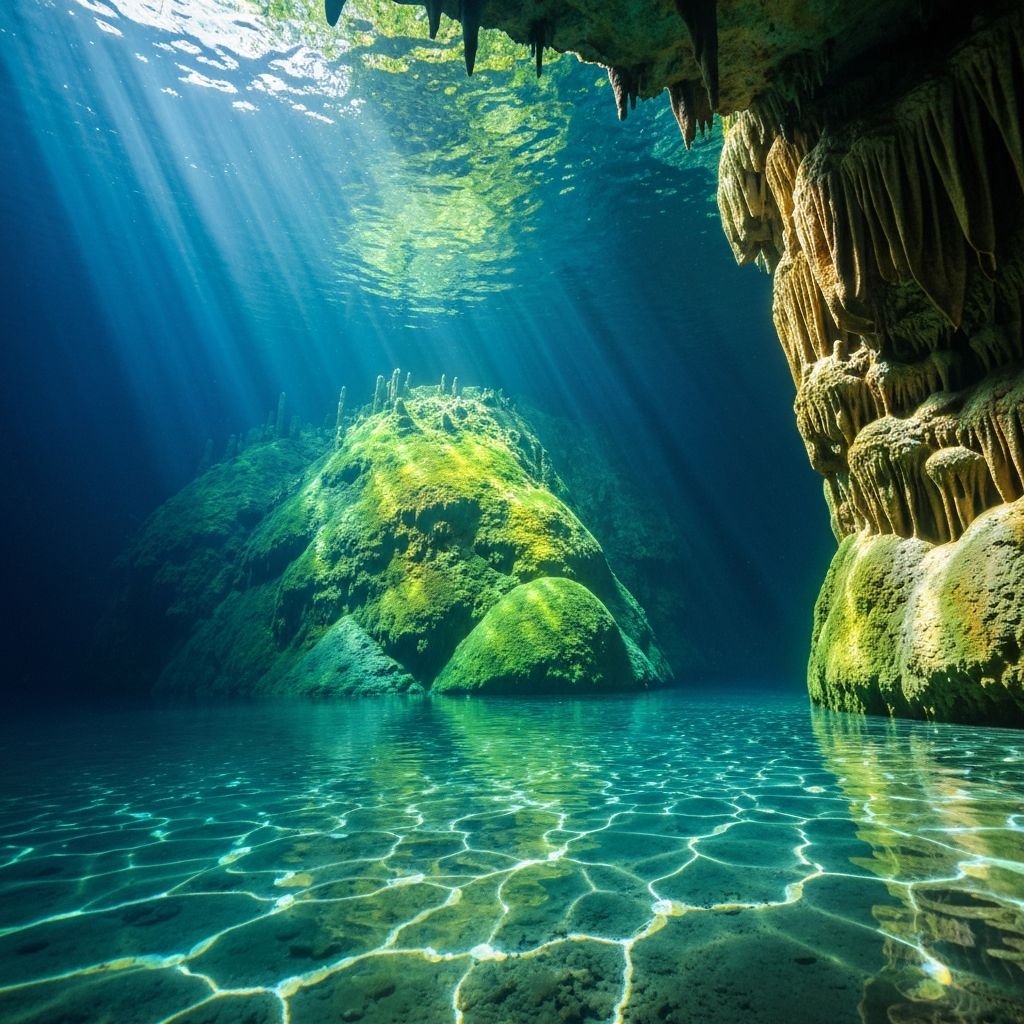
Hydrogeology & Karst Systems
Examining groundwater systems, springs, caves, and karst landscapes to assess water resources, geological hazards, and environmental sustainability.
Climate & Environmental Change
Studying geological and geomorphological evidence of past climate change to better understand environmental evolution and future risks.
Geoconservation & Applied Research
Developing scientific strategies for the protection, management, and sustainable use of geological sites within Sharbazher District.
Recent Geological Research
A selection of recently published scientific studies documenting the geological characteristics and natural heritage of the Sharbazher District.
This published study documents fossil assemblages identified within sedimentary formations of the Sharbazher District, with particular focus on marine fossils preserved in limestone and marl sequences.
The research provides important insights into the paleoenvironmental conditions of the region and contributes to broader understanding of Mesozoic marine ecosystems in northeastern Iraq.
Publication Year: 2022 | Type: Peer-Reviewed Study
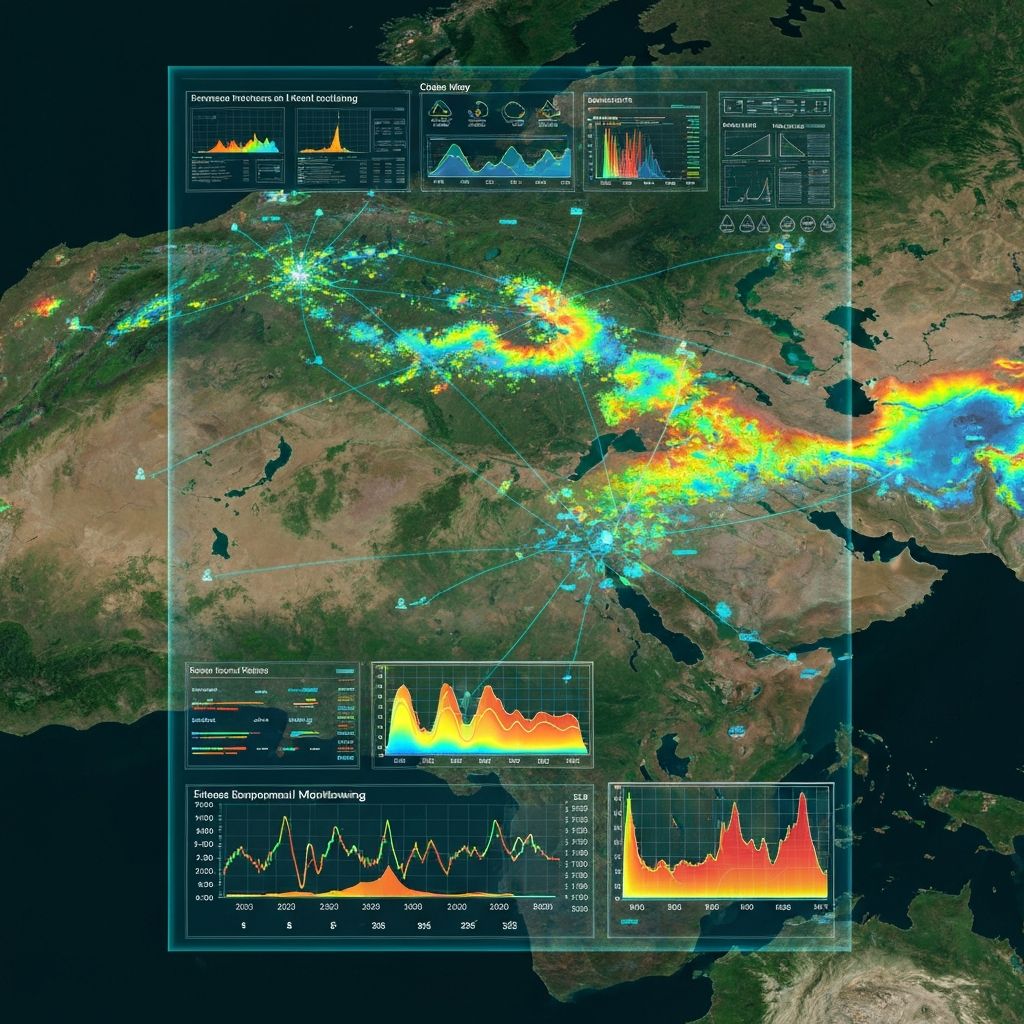
This research presents updated geological maps of key areas within the Sharbazher District, based on field surveys, remote sensing data, and stratigraphic analysis.
The study enhances understanding of regional tectonics, fault systems, and lithological boundaries, supporting future conservation planning and geoscientific interpretation.
Publication Year: 2023 | Type: Institutional Research
This study analyzes geomorphological features such as terraces, erosion patterns, and sediment deposits to reconstruct past climate fluctuations in the Sharbazher area.
The findings contribute to regional climate reconstructions and provide a geological baseline for understanding long-term environmental change within the district.
Publication Year: 2024 | Type: Academic Study