
Back to Geosites
Qzqapan Tomb: A Rock-Cut Legacy of Ancient Kurdistan
Content
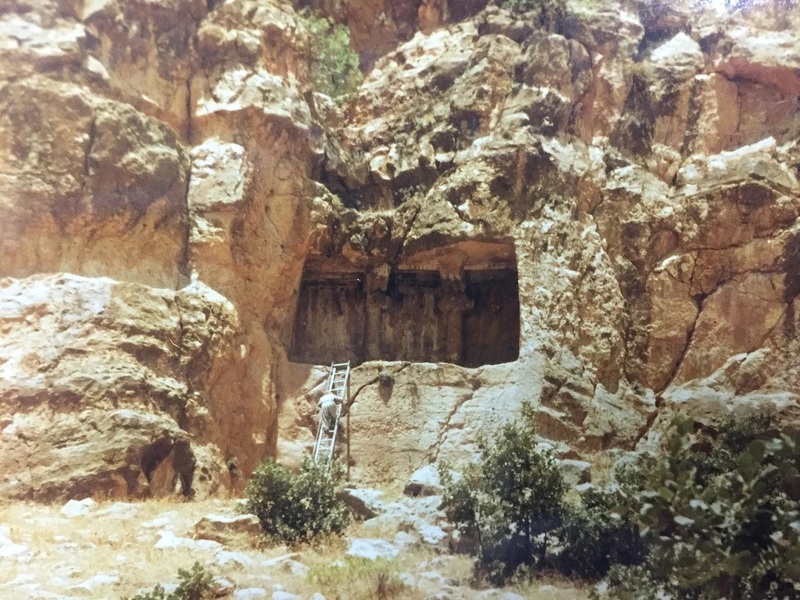
Qizqapan Tomb is a remarkable rock-cut tomb carved into a steep limestone cliff in the Kurdistan Region of Iraq. The monument features a carefully shaped façade with architectural elements such as columns and carved niches, reflecting advanced stone-cutting skills. It is generally dated to the late Achaemenid or early Hellenistic period (around the 4th century BCE), a time of major political and cultural transition in the region.
The tomb’s elevated position suggests it was constructed for a high-status individual, possibly a local ruler or noble. Over centuries, Qizqapan has remained a powerful symbol of ancient Kurdish lands and their connection to wider Near Eastern civilizations.
Scientific Value
Qizqapan Tomb holds high scientific importance for archaeology, geology, and ancient history. Archaeologically, it provides valuable evidence of funerary architecture and burial traditions during the late pre-Islamic period in Mesopotamia. The architectural style shows a blend of local traditions and imperial influences, helping researchers understand cultural interaction between the Zagros region and major empires such as the Achaemenids.
From a geological perspective, the tomb demonstrates how ancient builders selected and carved limestone formations, offering insights into rock durability, weathering processes, and long-term preservation of rock-cut monuments.
Educational Value
Educational Value
The site has strong educational value for students, researchers, and visitors. It serves as an open-air classroom for teaching:
Ancient history and archaeology
Early engineering and stone-carving techniques
Cultural heritage preservation
Qizqapan Tomb also helps raise awareness of Kurdistan’s deep historical roots and the importance of protecting archaeological sites. Visiting and studying the tomb encourages appreciation of cultural identity, historical continuity, and responsible geotourism.